
India has already rewritten the global playbook on digital payments.
From cash-heavy transactions to real-time transfers powered by UPI, the country has seen one of the fastest payment transformations in the world. Millions of Indians today transact seamlessly using smartphones, QR codes, and instant bank transfers.
And yet, a new question is emerging:
If digital payments are already so efficient, why does India need a Digital Rupee?
More importantly:
👉 Will the Digital Rupee actually change payments in India—or is it a solution looking for a problem?
India’s digital payments ecosystem has evolved rapidly, powered by innovations like UPI and infrastructure built by the National Payments Corporation of India (NPCI).
India has already rewritten the global playbook on digital payments, driven by rapid innovation in India’s digital payments ecosystem.
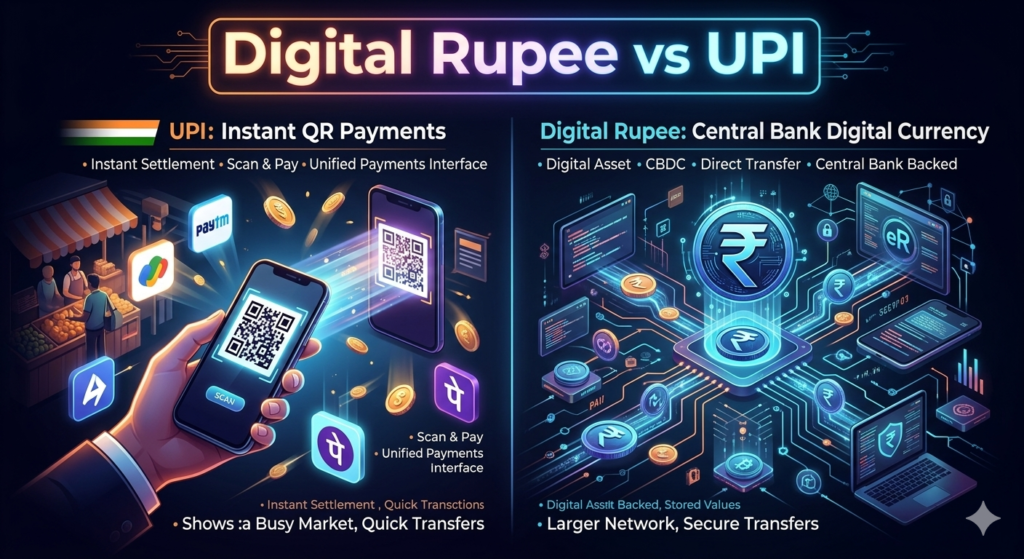
What Is the Digital Rupee?
The Digital Rupee is India’s version of a Central Bank Digital Currency (CBDC)—a digital form of sovereign currency issued by the Reserve Bank of India.
Unlike cryptocurrencies such as Bitcoin, the Digital Rupee is:
- Fully regulated
- Backed by the central bank
- Equivalent in value to physical currency
In simple terms:
👉 It’s cash—but in digital form
A Central Bank Digital Currency (CBDC) is a digital form of fiat money being explored globally as the next evolution of sovereign currency.
Two forms of Digital Rupee
The RBI has introduced two variants:
1. Retail CBDC (e₹-R)
- For individuals and businesses
- Used for everyday transactions
2. Wholesale CBDC (e₹-W)
- Used by banks and financial institutions
- Focused on interbank settlements
The Digital Rupee is issued and regulated by the Reserve Bank of India, which has outlined its vision for a central bank-backed digital currency.
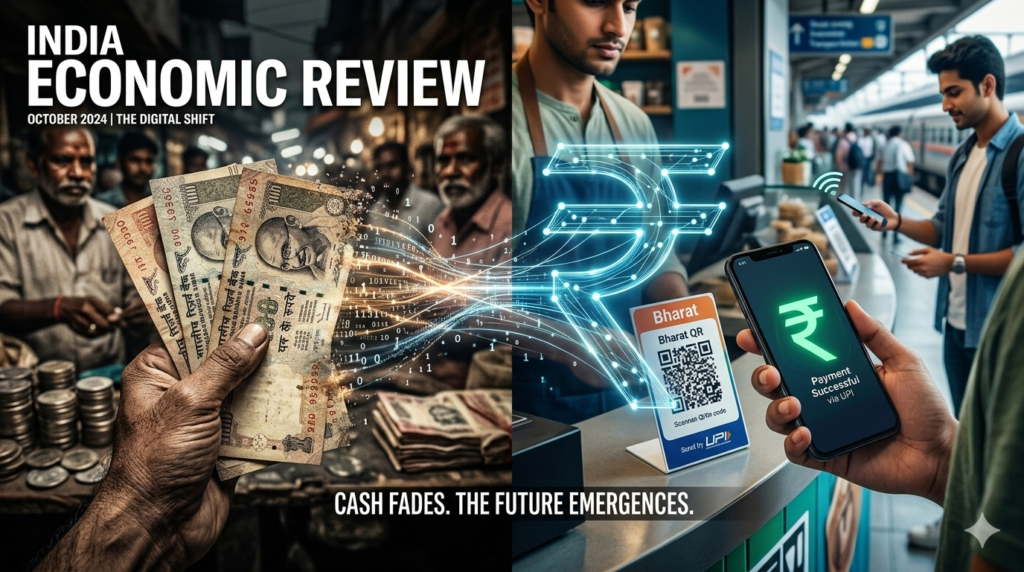
Why India Is Exploring a Digital Rupee
At first glance, India doesn’t seem to need a CBDC.
UPI already dominates.
So why introduce another system?
This is part of a larger transformation driven by India’s evolving digital public infrastructure, including Aadhaar, UPI, and account aggregation frameworks.
1. Reducing Dependence on Cash
Despite digital growth, cash still plays a major role in India’s economy.
A digital currency could:
- Reduce printing costs
- Improve traceability
- Increase efficiency
Despite rapid digitization, cash usage trends in India continue to remain significant.
2. Strengthening Financial Infrastructure
A CBDC adds another layer to India’s digital financial stack—alongside UPI, Aadhaar, and account aggregation systems.
3. Enhancing Payment Efficiency
Particularly in:
- Cross-border transactions
- Government transfers
- Institutional settlements
4. Competing in the Global Digital Currency Race
Many countries are exploring CBDCs.
India doesn’t want to be left behind.
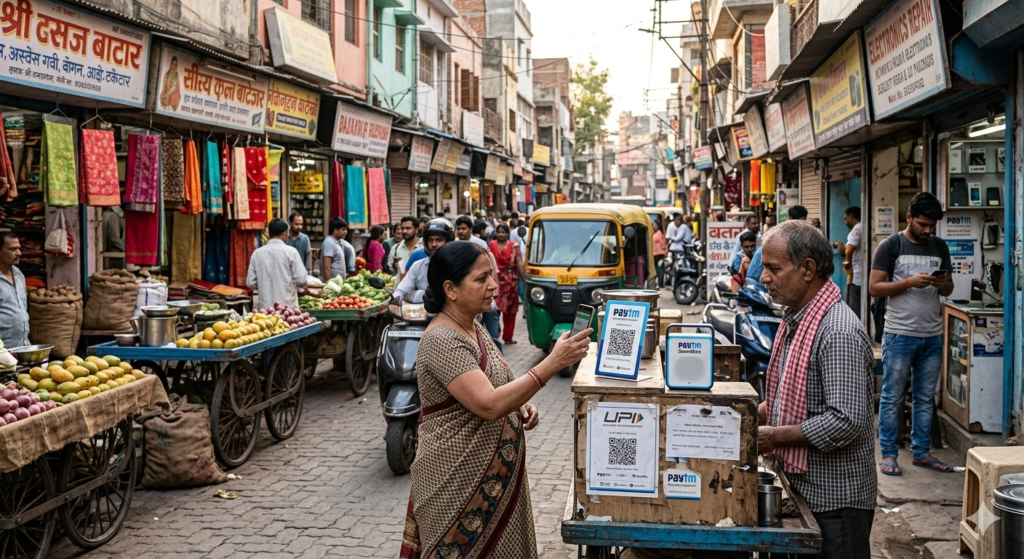
Where Does the Digital Rupee Stand Today?
The Digital Rupee is still in its pilot phase.
The RBI has been testing it across:
- Select banks
- Limited user groups
- Specific use cases
Key early signals
- Gradual rollout
- Controlled adoption
- Focus on learning and iteration
👉 This is not a mass rollout yet.
It’s an experiment.
India’s financial backbone—often referred to as the India Stack ecosystem—integrates Aadhaar, UPI, and digital identity layers.
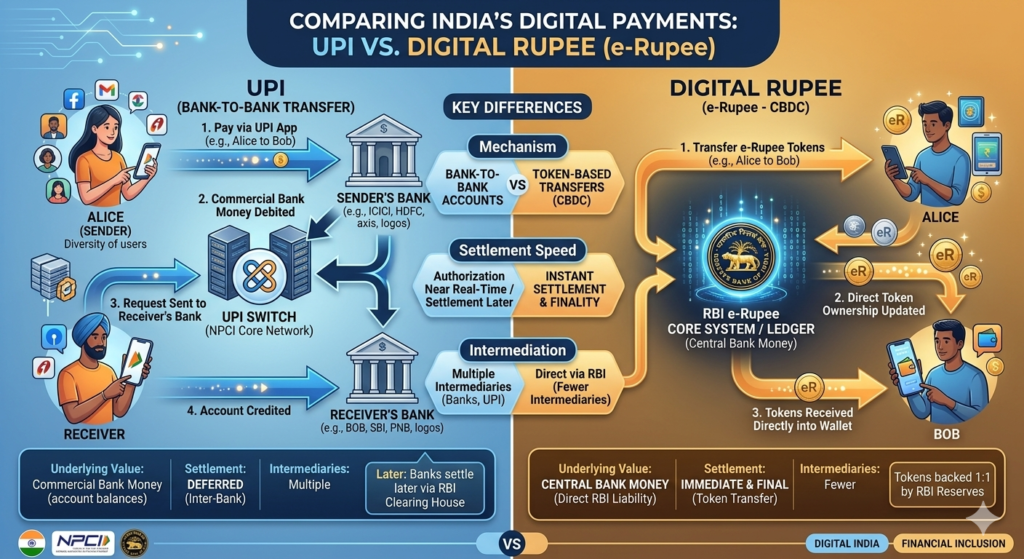
Digital Rupee vs UPI: What’s the Difference?
This is where confusion begins.
Because for most users:
👉 UPI already works perfectly.
UPI
- Bank-to-bank transfer system
- Requires a bank account
- Instant settlement
- Widely accepted
Digital Rupee
- Direct digital currency
- Doesn’t require traditional banking rails
- Works like digital cash
- Can enable offline transactions (potentially)
The key distinction
👉 UPI = Payment system
👉 Digital Rupee = Currency itself
The Unified Payments Interface (UPI) enables instant bank-to-bank transfers and powers India’s digital payments revolution.
To fully understand this distinction, it helps to explore how UPI transformed digital payments in India over the past decade.
So… Will It Actually Change Payments?
Let’s address the core question.
Short answer:
👉 Not immediately.
Why?
Because UPI is already:
- Fast
- Free
- Widely adopted
- Deeply integrated
What this means
For everyday transactions:
👉 The Digital Rupee may not offer a dramatic improvement.
The Contrarian View: The Real Impact Is Elsewhere
Here’s where things get interesting.
The Digital Rupee may not disrupt payments—
But it could reshape:
👉 How money itself moves through the economy
1. Government Transfers
Imagine subsidies, benefits, or payments delivered as programmable money.
- Direct
- Traceable
- Conditional
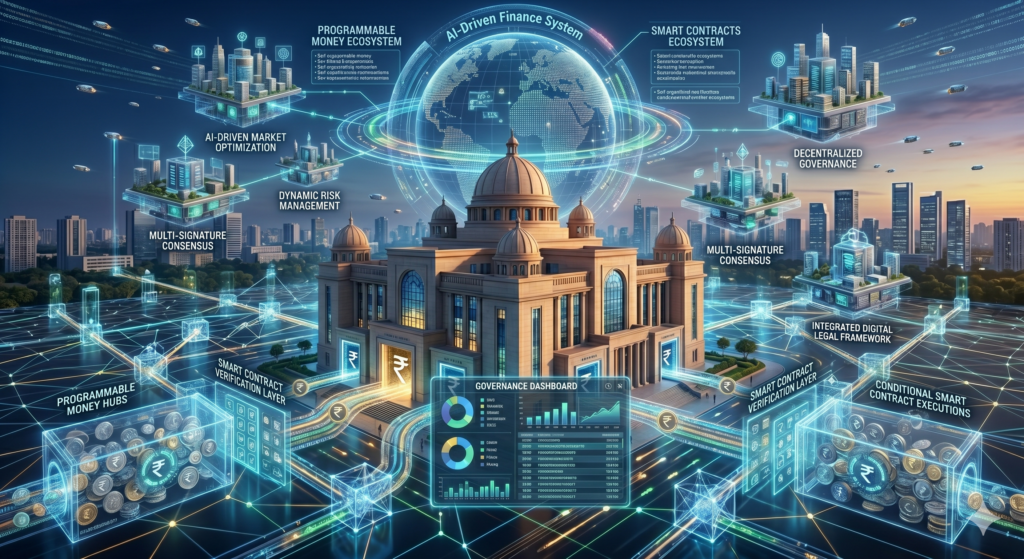
2. Cross-Border Payments
Today, international transfers are:
- Slow
- Expensive
- Intermediary-heavy
CBDCs could enable:
👉 Faster, cheaper global payments
Today’s cross-border payment challenges include delays, high costs, and multiple intermediaries.
3. Financial Inclusion
A digital currency could reach users:
- Without full banking access
- In remote areas
- With limited infrastructure
4. Reduced Intermediaries
CBDCs could reduce reliance on:
- Payment gateways
- Clearing systems
- Middle layers
👉 That’s where the real disruption could lie.
Challenges the Digital Rupee Must Overcome
This is not a guaranteed success story.
Several hurdles remain.
1. User Adoption
Why would users switch from UPI?
Unless there’s a clear benefit—
👉 Adoption will be slow.
2. Merchant Acceptance
Businesses need incentives to adopt new systems.
Without that—
👉 Ecosystem growth stalls.
3. Privacy Concerns
A central bank-issued digital currency raises questions:
- How much visibility does the system have?
- How is user data handled?
Globally, CBDC privacy concerns continue to shape policy discussions.
4. Technological Complexity
Building a scalable, secure CBDC system is not trivial.

The Bigger Debate: Control vs Convenience
At a deeper level, the Digital Rupee raises a philosophical question:
👉 Should money become programmable?
Potential advantages
- Targeted subsidies
- Efficient policy implementation
- Reduced leakage
Potential concerns
- Increased state control
- Reduced anonymity
- Financial surveillance risks
👉 This debate is far from settled.
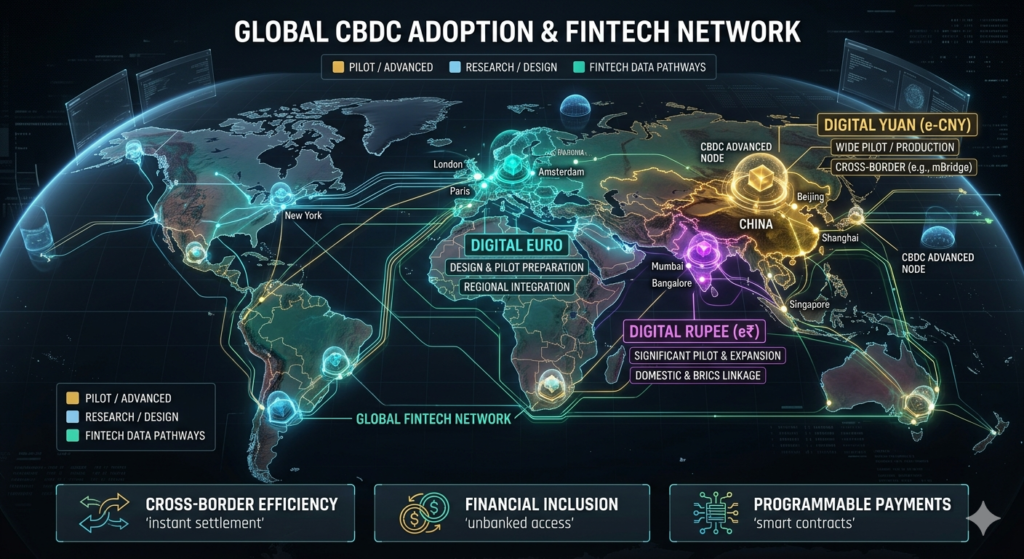
What’s Happening Globally?
India is not alone.
Countries worldwide are exploring CBDCs.
Key global developments
- China has piloted the digital yuan
- Europe is exploring a digital euro
- Several countries are in testing phases
👉 This is a global shift—not just an Indian experiment.
Globally, CBDCs are advancing, including the digital yuan pilot in China and the European Central Bank’s digital euro initiative.
These developments are part of broader global fintech trends shaping the future of finance across economies.
What Happens to Banks?
Another critical question.
If people hold money directly with the central bank:
👉 What happens to traditional banks?
Possible implications
- Reduced bank deposits
- Changing role of financial institutions
- New business models
👉 This could reshape the banking ecosystem over time.
Future Scenarios for the Digital Rupee
Let’s explore what could happen next.
Limited Adoption
CBDCs remain a niche solution, used primarily for select use cases, while UPI continues to dominate everyday transactions.
Gradual Integration
Over time, CBDCs begin integrating with existing financial systems, steadily gaining traction across specific segments.
Structural Shift
In a more transformative outcome, CBDCs go mainstream—fundamentally reshaping how money moves across the economy.
👉 Most likely outcome?
Somewhere between Scenario 1 and 2.
This evolution ties closely to the larger narrative around the future of digital payments in India and how financial systems are being redefined.
Where the Real Opportunity Lies
The biggest impact may not be visible immediately.
But it could emerge in:
- Backend financial systems
- Institutional transactions
- Cross-border infrastructure
👉 Not flashy.
But powerful.
Key Takeaways
- The Digital Rupee is a central bank-backed digital currency
- It is different from UPI, which is a payment system
- Immediate impact on daily payments may be limited
- Long-term potential lies in infrastructure and systems
- Adoption will depend on clear user and business benefits
Conclusion
The Digital Rupee is not just about payments.
It’s about the future of money.
The real question isn’t:
👉 Will it replace UPI?
The real question is:
👉 How will it reshape financial systems over time?
Because if implemented well—
The Digital Rupee may not disrupt how we pay today.
But it could fundamentally change:
👉 How money moves tomorrow.
The future of central bank digital currencies will depend on balancing innovation, regulation, and trust.
For a deeper perspective, explore how emerging technologies are shaping the next phase of India’s financial ecosystem.
