
India’s SaaS journey is no longer about proving global capability—it is about redefining it.
The first wave of SaaS startups validated that India could build and scale global software products.
According to global SaaS trends highlighted by the McKinsey & Company, software companies are increasingly building for global markets from day one.
Today, a new generation of founders is going deeper, more focused, and more global from day one.
This evolution aligns with India’s emergence as a global SaaS opportunity leader.
Moving Beyond the First Wave
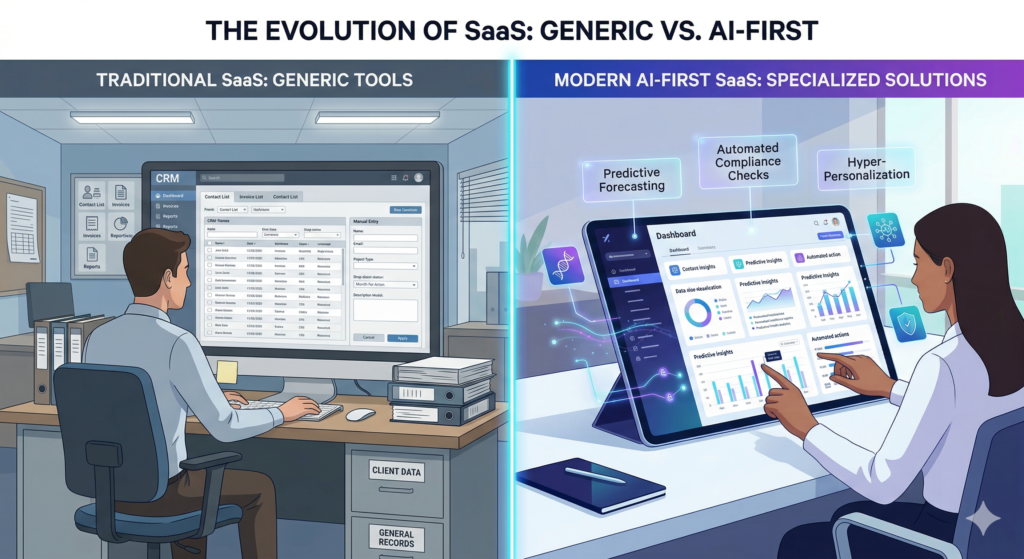
The earlier generation focused on horizontal SaaS—CRM, HR tech, and customer support platforms.
However, today’s founders are taking a different approach.
They are:
- Going deeper into niche problems
- Building vertically specialized solutions
- Designing for global markets from the outset
This shift reflects broader trends in the India startup ecosystem growth.
AI-First Thinking: A Fundamental Shift
For the previous generation, AI was an enhancement.
For the new generation, AI is the foundation.
This aligns with how AI is transforming Indian businesses.
Paras Chopra: Rethinking Software Creation
Paras Chopra is exploring a future where software is generated through AI rather than manually coded.
This could dramatically lower barriers to building software and unlock a new generation of founders.
Reports from the World Economic Forum suggest that AI-native platforms are fundamentally reshaping how software is built and deployed.
Arjun Pillai: Reinventing Sales Intelligence
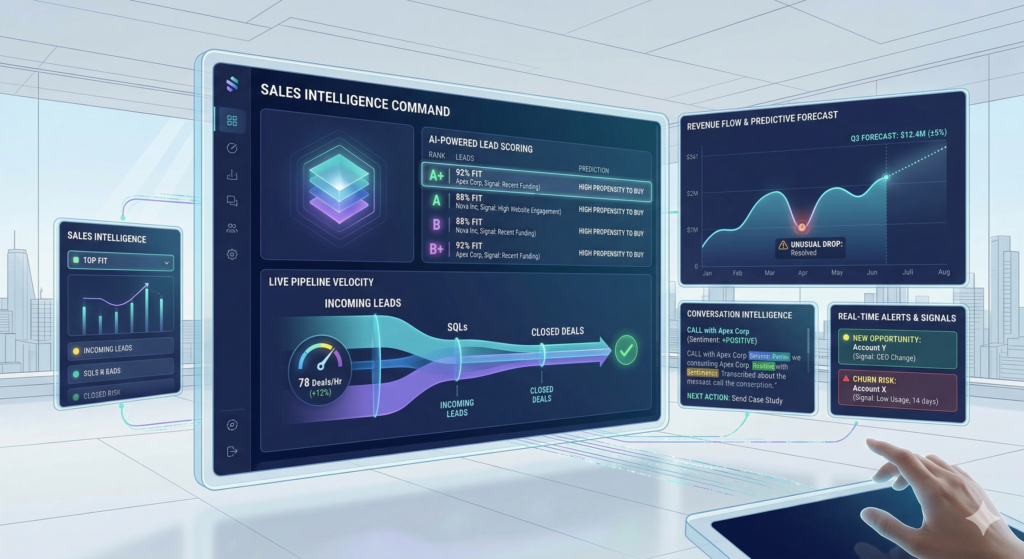
Arjun Pillai is focusing on real-time intelligence for sales teams.
Instead of building another CRM, he is targeting the decision layer—where real value is created.
The Rise of Vertical SaaS Specialists
Vertical SaaS is becoming a defining trend.
Founders are building solutions for specific industries like logistics, supply chain, and healthcare.
This reflects broader innovation patterns in next big technologies shaping the future.
Research by Gartner shows that industry-specific software is becoming a major growth driver in the global SaaS market.

Developer-First Thinking: Building for Builders
India is shifting from being a talent hub to a product hub.
Founders like Sneha Mishra are focusing on developer tools and infrastructure.
This signals a move up the value chain in the global tech ecosystem.
AI as the Default Layer
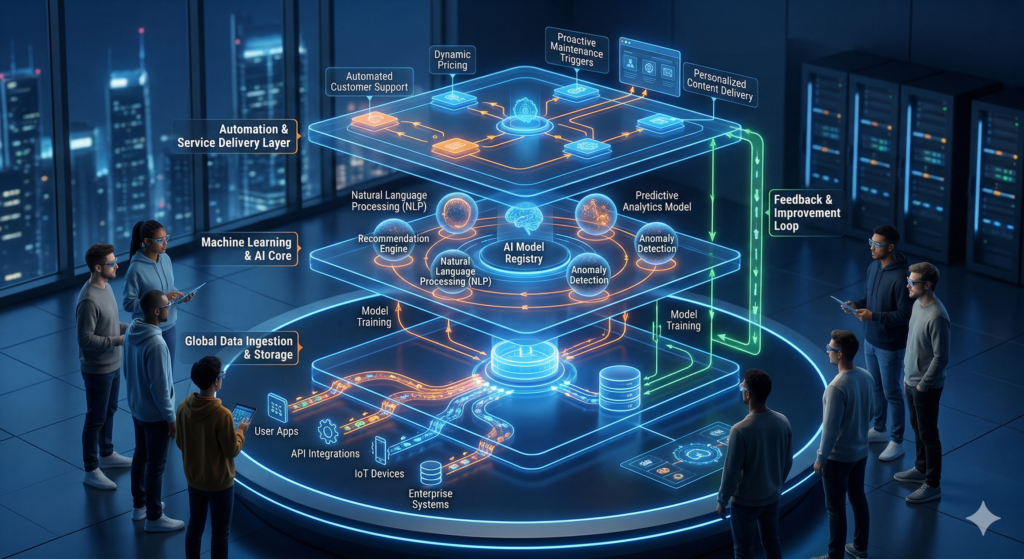
AI is no longer a feature—it is the core architecture.
Founders like Karthik Sridharan are building AI-native platforms.
This shift enables new business models and scalable solutions.
The Role of Capital and Ecosystem
The ecosystem has matured significantly.
Investors like Vaibhav Domkundwar are supporting early-stage founders with informed capital.
This reflects broader trends in venture capital evolution in India.
According to insights from the Sequoia Capital, the next generation of SaaS companies will be defined by capital efficiency and product depth.
Global from Day One
Today’s founders are not building for India first—they are building for the world.
This global-first mindset is a strategic advantage.
It aligns with India’s rise as a global innovation hub.
Lean, Focused, and Built to Last
Unlike the previous era, founders are prioritizing:
- Capital efficiency
- Product-market fit
- Sustainable growth
This shift mirrors broader changes seen in global startup and funding trends.

Why This Moment Matters
India’s SaaS ecosystem is no longer emerging—it is evolving.
The convergence of AI, vertical SaaS, and global thinking marks a pivotal moment.
The Road Ahead
The future of Indian SaaS will be shaped by:
- AI-native products
- Vertical specialization
- Global-first strategies
These founders are not just building companies—they are redefining the ecosystem.
Global data from the International Monetary Fund also indicates that digital and software-driven economies will dominate long-term growth.
