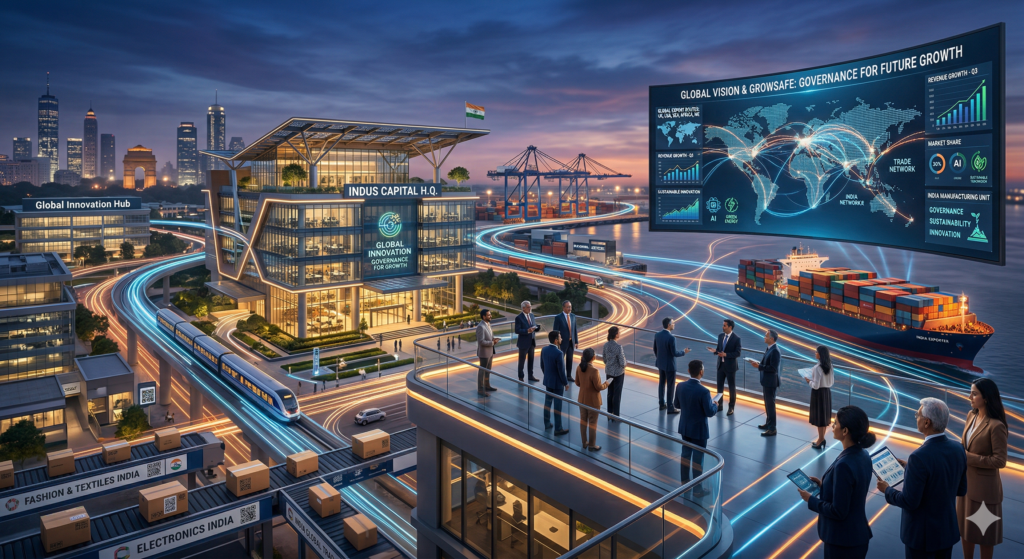
A Defining Shift in India’s Business Landscape
For decades, India’s corporate ecosystem has been shaped by family-owned enterprises. From large conglomerates to mid-sized businesses, promoters traditionally played dual roles—as owners and operators.
This shift reflects India’s growing position as a global AI powerhouse, as explored in India AI talent and global positioning.
But that model is evolving.
A growing number of Indian family businesses are now bringing in professional CEOs—experienced leaders from outside the family—to run day-to-day operations and drive strategic growth.
This shift marks a significant transformation in how Indian companies are governed and scaled.
It reflects a broader realization:
Running a modern business requires specialized expertise, global exposure, and operational discipline.
According to insights from the McKinsey & Company, artificial intelligence could contribute trillions to the global economy in the coming decade.
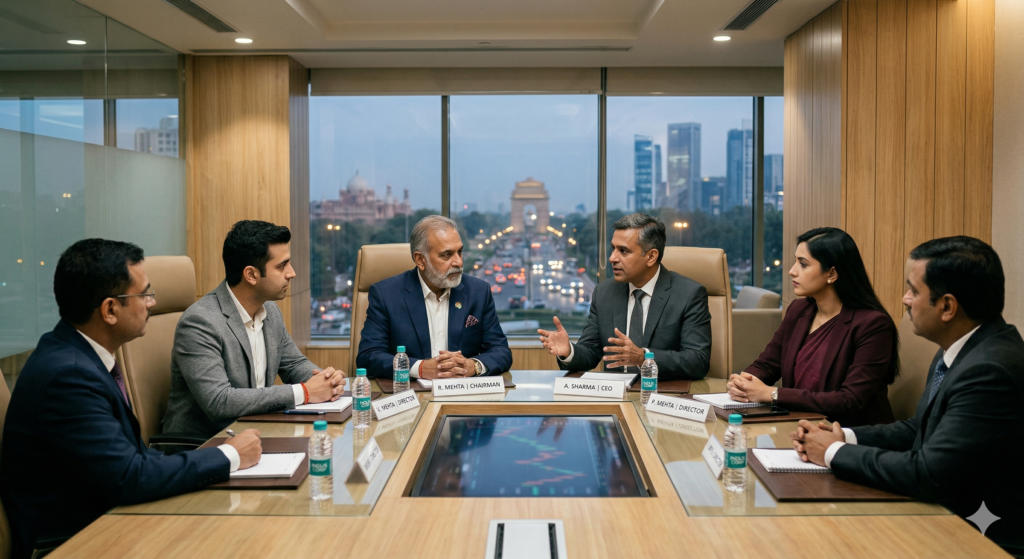
Why Family Businesses Are Making This Shift
1. The Need for Scale and Complexity Management
As businesses grow, they become more complex:
- Multiple business units
- Global operations
- Regulatory requirements
- Digital transformation
Promoters often recognize that scaling such complexity requires professional management expertise.
Professional CEOs bring:
- Structured decision-making
- Experience in managing large organizations
- Ability to execute at scale
2. Global Ambitions Require Global Leadership
Many Indian companies are no longer content with domestic success.
They are expanding into:
- International markets
- Cross-border acquisitions
- Global supply chains
Professional CEOs often come with:
- International exposure
- Cross-cultural leadership skills
- Experience in global markets
This makes them better suited to lead global growth strategies.
This rapid growth is closely aligned with how AI is transforming Indian businesses is reshaping industries across sectors.
3. Investor and Market Expectations
As companies list on stock exchanges or attract institutional investors, expectations change.
Investors demand:
- Transparency
- Governance
- Accountability
Appointing a professional CEO signals:
- Maturity
- Stability
- Long-term vision
It enhances investor confidence and often improves market perception.
4. Focus on Strategic vs Operational Roles
Promoters are increasingly shifting their focus to:
- Vision and long-term strategy
- New business opportunities
- Capital allocation
Meanwhile, professional CEOs handle:
- Execution
- Operations
- Performance management
This division of roles creates a more balanced and effective leadership structure.
The World Economic Forum highlights that AI will significantly reshape jobs, industries, and productivity worldwide.
Examples of the Transition in Action
India has seen several high-profile examples of this shift:
- Tata Group has long embraced professional leadership, setting a benchmark for governance.
- Mahindra Group has successfully blended promoter vision with professional management.
- Many mid-sized family businesses are now following suit, especially in sectors like manufacturing, retail, and pharma.
Even traditionally promoter-driven sectors are beginning to adopt this model.
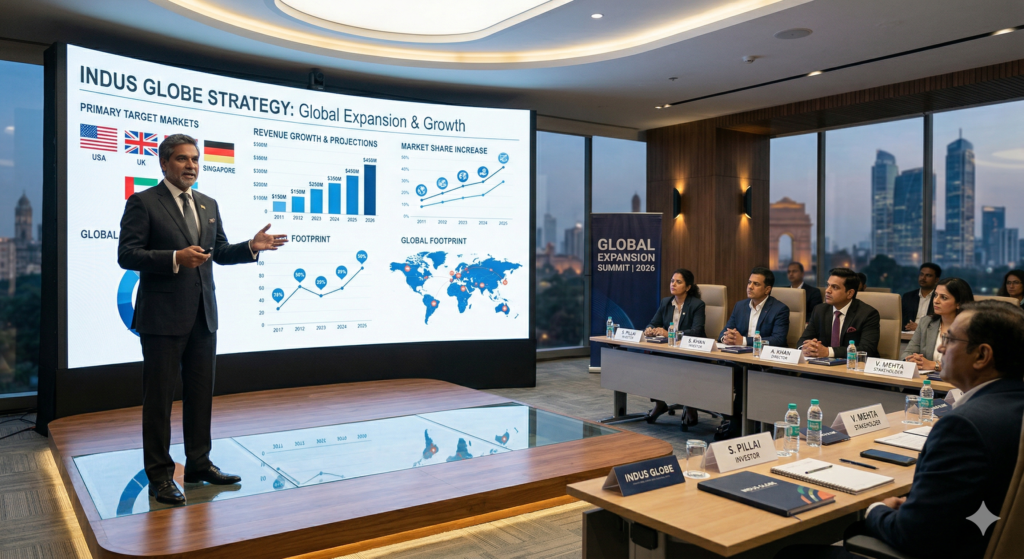
What Professional CEOs Bring to the Table
Operational Excellence
Professional CEOs are trained to:
- Optimize processes
- Improve efficiency
- Drive performance metrics
They bring a data-driven approach to decision-making.
Strategic Clarity
External leaders often bring fresh perspectives.
They are able to:
- Challenge legacy thinking
- Identify new growth opportunities
- Build long-term strategies
This helps companies avoid stagnation.
Talent and Culture Transformation
Professional CEOs often focus on:
- Building strong leadership teams
- Creating performance-driven cultures
- Attracting top talent
This is critical for sustaining growth.
Digital and Technological Adoption
Many professional leaders have experience in:
- Digital transformation
- AI and automation
- Data-driven business models
They accelerate the company’s shift toward future-ready operations.
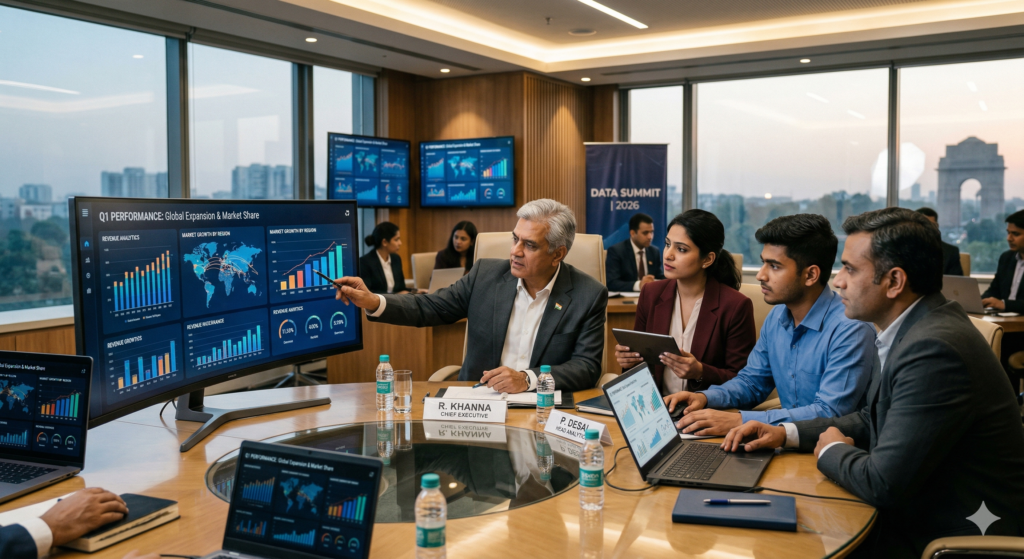
Challenges in the Transition
Despite its advantages, this shift is not without challenges.
1. Cultural Alignment
Family businesses often have deeply rooted cultures.
Integrating an external CEO can lead to:
- Cultural clashes
- Resistance from internal teams
Success depends on alignment between the promoter and the CEO.
2. Role Clarity
Ambiguity in roles can create friction.
Questions like:
- Who makes the final decision?
- How much autonomy does the CEO have?
…need to be clearly defined.
3. Trust and Control
Promoters may struggle to:
- Relinquish control
- Trust external leadership fully
Building trust takes time and mutual understanding.
4. Succession Planning
In many cases, the appointment of a professional CEO is linked to succession planning.
Balancing:
- Family interests
- Professional management
…requires careful governance structures.
The Hybrid Leadership Model
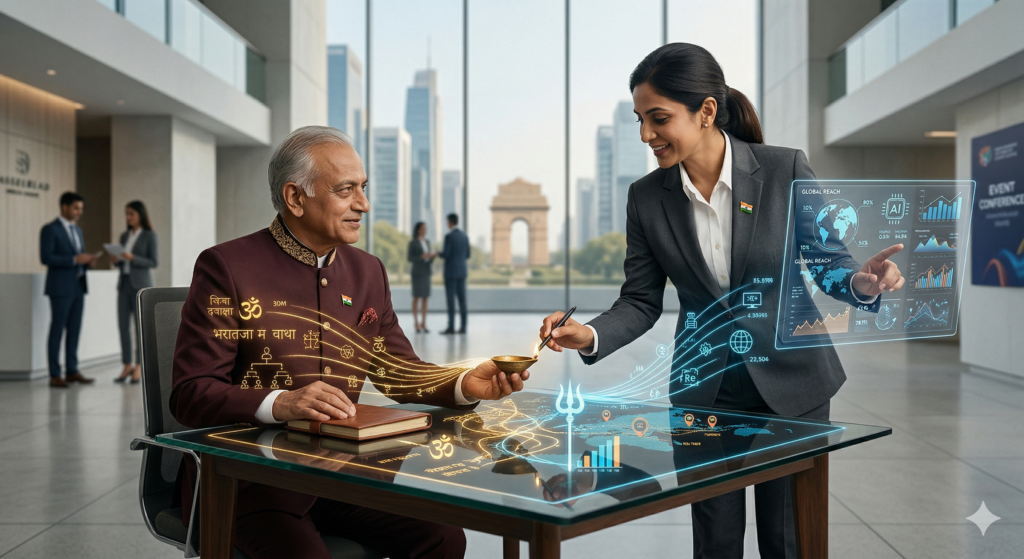
The most successful companies are not replacing promoters—they are evolving into hybrid leadership models.
In this model:
- Promoters provide vision, values, and long-term direction
- Professional CEOs drive execution and growth
This combination creates a powerful synergy:
Legacy + Professionalism = Scalable Success
Impact on India’s Corporate Ecosystem
The rise of professional CEOs is having a broader impact:
- Improved corporate governance
- Greater investor confidence
- Enhanced global competitiveness
- Stronger organizational structures
It is also encouraging:
- Better talent practices
- More transparent decision-making
- Higher accountability
This shift is helping Indian companies transition from family-run entities to professionally managed institutions.
India’s startup ecosystem is playing a critical role in this transformation, as highlighted in Indian AI startups to watch.
The Future of Family Businesses in India
Looking ahead, this trend is expected to accelerate.
We will likely see:
- More family businesses appointing professional CEOs
- Stronger boards and governance frameworks
- Increased focus on succession planning
- Greater alignment with global best practices
The companies that succeed will be those that can:
- Balance tradition with transformation
- Retain their core identity while embracing change
Global projections by the International Monetary Fund suggest that digital technologies will drive future economic growth.
Ultimately, this positions India at the center of global innovation, reinforcing its journey toward becoming a leading technology hub, as discussed in India global startup hub.