
From Digital Economy to Global Fintech Leader
Over the past decade, India has evolved from a fast-growing digital economy into a global reference point for fintech innovation.
This transformation is closely linked to the broader digital transformation in India, where policy, infrastructure, and entrepreneurship have come together to create scalable systems.
What makes India unique is not just adoption at scale—but the way public infrastructure enables private innovation.
“India has shown that public digital infrastructure can enable private innovation at an unprecedented scale.” — Nandan Nilekani
The India Stack Advantage
A key driver of India’s fintech leadership is its Digital Public Infrastructure—commonly known as India Stack.
This includes Aadhaar, UPI, Account Aggregators, and DigiLocker—systems that create an interoperable foundation for innovation.
This model is increasingly being studied globally and aligns with trends in next big technologies shaping the future.
Unlike fragmented systems in many countries, India’s stack enables seamless integration across services.

UPI: A Global Benchmark
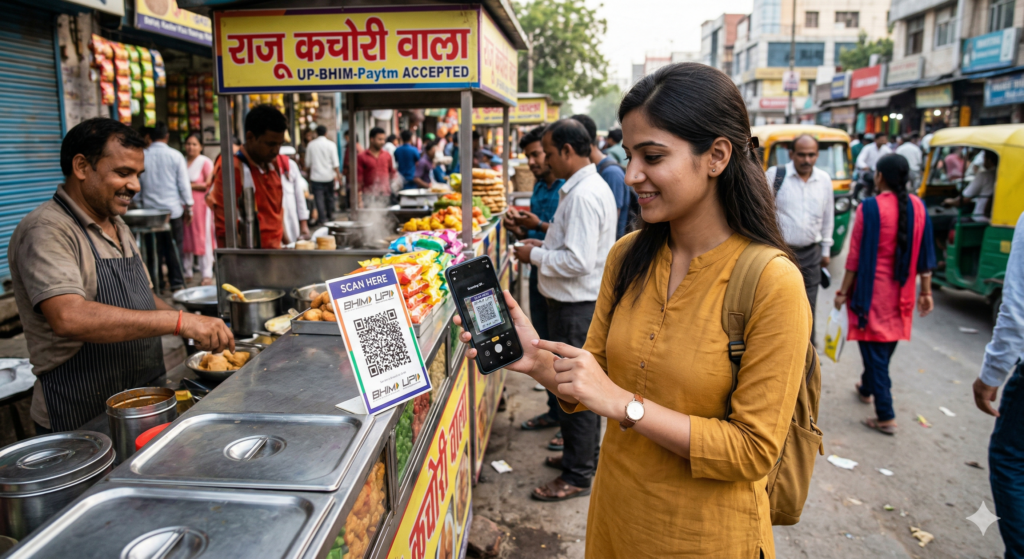
India’s Unified Payments Interface (UPI) has become one of the most successful fintech innovations globally.
It enables instant, low-cost, interoperable payments across platforms.
UPI is now expanding globally, influencing digital payment systems worldwide.
This reflects the broader rise of India as a global innovation hub.
“India has built one of the most advanced payment systems in the world—and it’s just getting started.” — Vijay Shekhar Sharma
Fintech for Financial Inclusion
India’s fintech story is deeply rooted in financial inclusion.
Millions who lacked access to banking are now part of the digital economy. This transformation is supported by Aadhaar, Jan Dhan, and mobile payments.
It also connects to the broader theme of future of jobs in India, where financial access drives economic participation.
Fintech startups are building solutions for lending, insurance, and investments for underserved users.

A Thriving Startup Ecosystem
India’s fintech growth is powered by a dynamic startup ecosystem.
Startups are innovating across payments, lending, wealth management, and insurtech.
This growth reflects the broader momentum of the startup ecosystem India.
“India’s fintech innovation is about solving for scale—and that’s what makes it globally relevant.” — Kunal Shah
These companies are not just solving local problems—they are building global products.

The Role of Regulation
India’s regulatory framework has played a crucial role in enabling fintech growth.
The Reserve Bank of India has balanced innovation with stability—supporting growth while ensuring security.
Frameworks like Account Aggregators and digital lending guidelines have strengthened the ecosystem.
Technology as a Force Multiplier
Technologies like AI, data analytics, and cloud computing are accelerating fintech innovation.
This trend mirrors how AI transforming Indian businesses is reshaping industries.
AI is enabling fraud detection, credit scoring, and personalized financial services at scale.

Global Expansion and Influence
India’s fintech innovation is expanding globally.
Companies are entering international markets, while governments study India’s digital infrastructure model.
India is increasingly shaping global fintech frameworks.
Challenges and Opportunities
Despite its growth, challenges remain:
- Data privacy concerns
- Regulatory complexities
- Profitability pressures
- Global competition
However, these also present opportunities for innovation.
A Global Fintech Leader in the Making
India’s fintech journey is still unfolding—but its global impact is undeniable.
By combining infrastructure, innovation, and inclusion, India is building a model for the world.
India is not just participating in the global fintech revolution—it is helping define it.
