
From Scale to Substance: The Evolution of EdTech in India
India’s EdTech sector has gone through a dramatic transformation.
From pandemic-led hypergrowth to a phase of correction, the industry is now entering a more mature stage—one that prioritizes real impact over rapid expansion.
This evolution is closely tied to the broader India startup ecosystem.
The early wave of EdTech focused on digitizing content. However, the new generation is asking a deeper question:
What real problems are we solving?
“Technology in education must improve learning outcomes, not just access.” — UNESCO
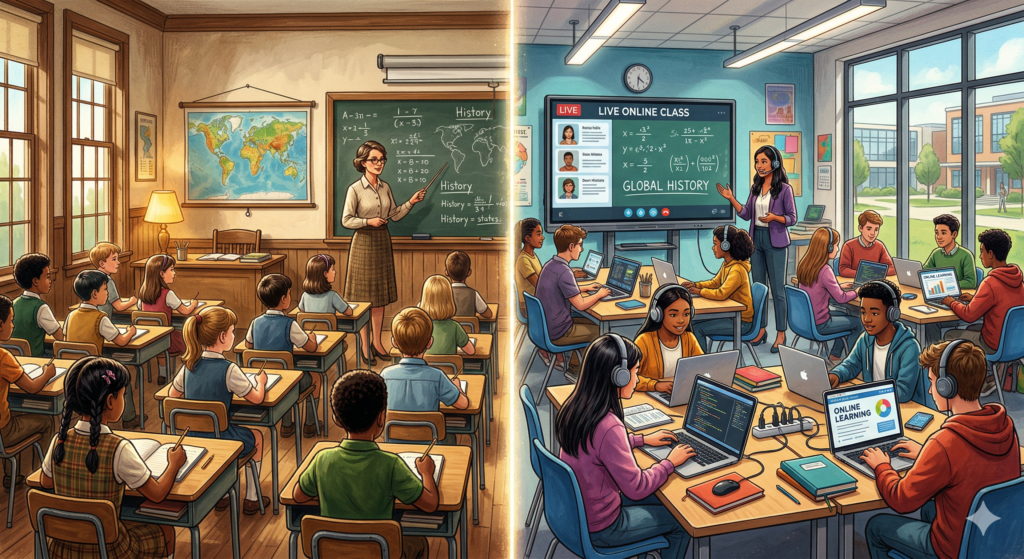
Solving for Affordability and Access
Affordability has long been one of the biggest barriers in Indian education.
New-age EdTech startups are tackling this through flexible pricing, freemium models, and scalable delivery.
This shift is also aligned with India’s broader digital transformation in India.
Platforms like PhysicsWallah and Khan Academy India are making high-quality education accessible at scale.
“Digital platforms can dramatically expand access to quality education.” — World Bank
Bridging the Employability Gap
One of the biggest gaps in India’s education system is employability.
Degrees alone are no longer enough.
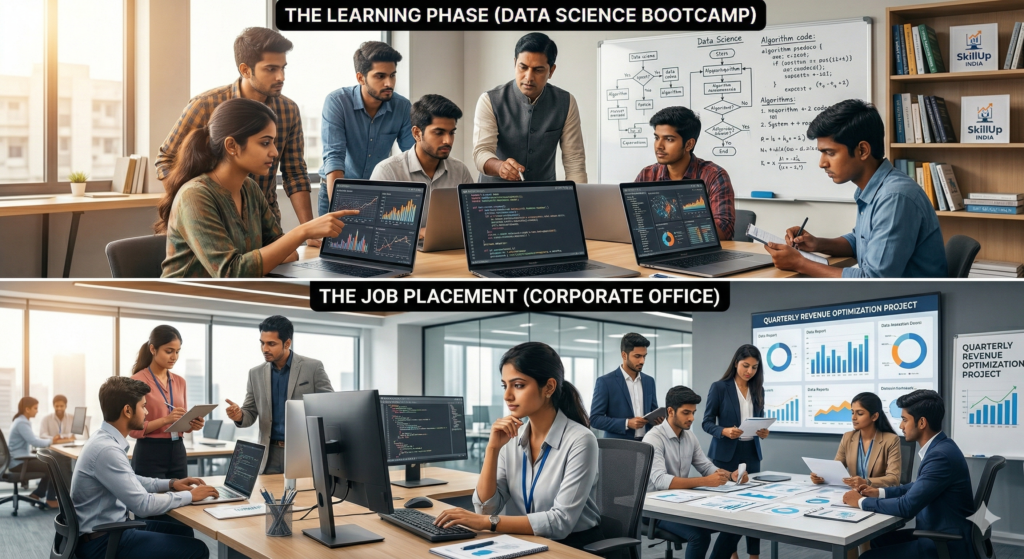
Startups like upGrad, Simplilearn, and Scaler are focusing on job-ready skills.
This shift is critical in the context of the future of jobs in India.
These platforms combine industry partnerships, mentorship, and placement support—turning education into career outcomes.
“Skills—not degrees—will define employability in the future economy.” — World Economic Forum
Breaking the Language Barrier
Language remains a major barrier in India’s education system.
Startups like Adda247, Testbook, and Doubtnut are building vernacular-first platforms.
This is especially important for learners in Tier 2 and Tier 3 cities—part of the growing rise of Bharat consumer markets.
Personalization and AI-Driven Learning
Traditional education lacks personalization.
EdTech startups are now leveraging AI to track progress, identify gaps, and personalize learning journeys.
This trend reflects how AI transforming Indian businesses is also reshaping education.
“AI can transform education by making learning adaptive and personalized.” — OECD
Engagement Through Innovation
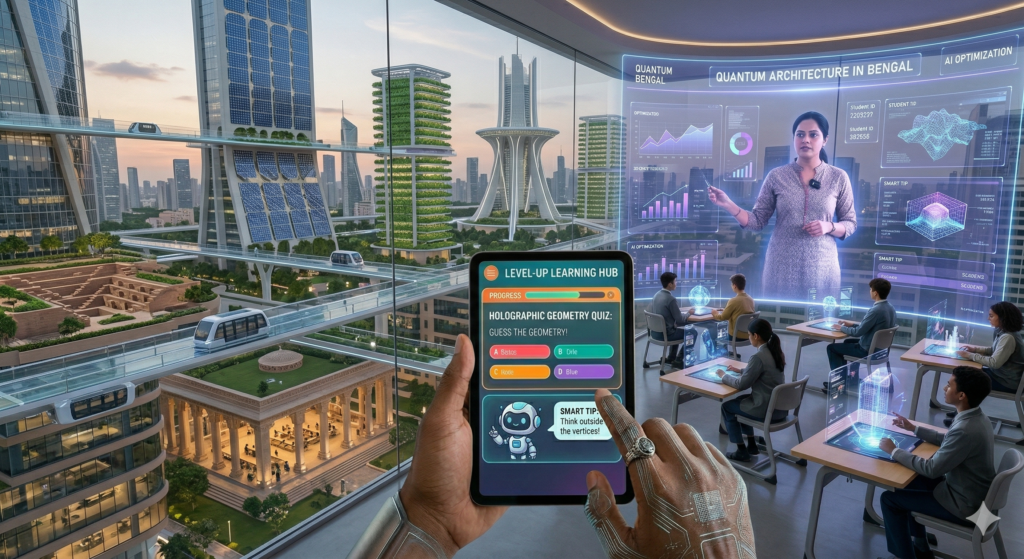
Keeping students engaged has always been a challenge.
Startups are addressing this through gamification, interactive content, and short-form learning modules.
As a result, learning is becoming more engaging and accessible.
Hybrid Learning: The Best of Both Worlds
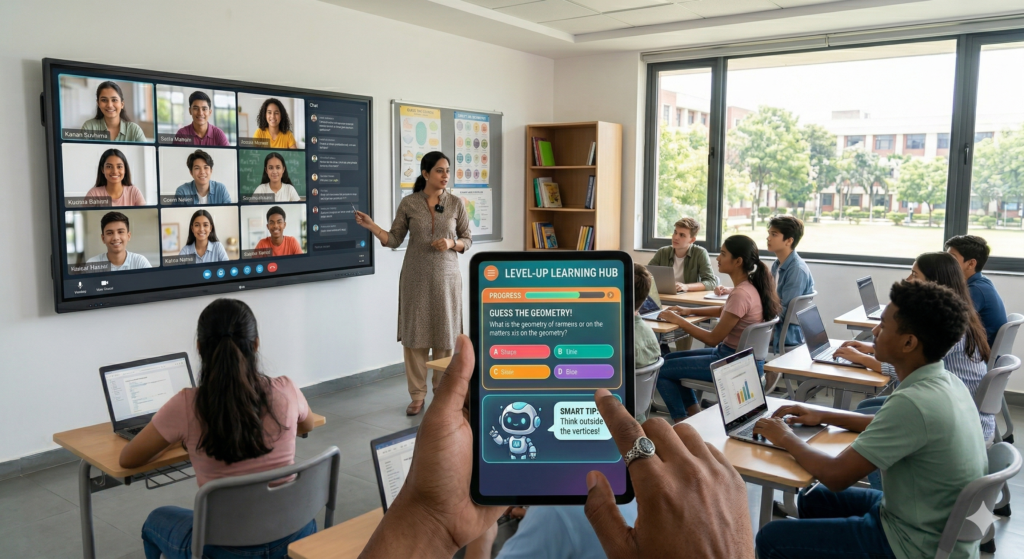
The idea that EdTech will replace classrooms has evolved.
Today, hybrid learning models combine online convenience with offline support.
This blended approach is emerging as the most effective learning model.
The Future: Outcome-Driven EdTech
The next phase of EdTech in India will be defined by one word: outcomes.
Metrics like learning improvement, job placements, and skill acquisition will matter most.
This evolution aligns with broader trends around next big technologies shaping the future.
“The future of education lies in measurable outcomes and lifelong learning.” — UNICEF
